Maximizing Vitamin Absorption: The Best Times to Take Vitamins for a Healthier Lifestyle
Discover the best times to take vitamins for maximum absorption and how to incorporate them into a healthy lifestyle for optimal health.


Understanding vitamin absorption is crucial for anyone looking to enhance their health through supplementation. Vitamins are organic compounds that our bodies need in small amounts to function optimally. However, the effectiveness of these vitamins can vary significantly based on how and when they are consumed. The timing of your vitamin intake can influence how well your body absorbs these essential nutrients, making it a vital aspect of any health regimen.
Additionally, for those dealing with specific health issues, such as oral herpes, exploring options like Antiviral Medications for Treatment of Oral Herpes may also be important to consider alongside proper nutrition. When we talk about Additionally, for those dealing with specific health issues, such as oral herpes, exploring options like Antiviral Medications for Treatment of Oral Herpes may also be important to consider alongside proper nutrition. When we talk about how vitamins work , it’s important to recognize that not all vitamins are created equal. Some vitamins, like the fat-soluble vitamins A, D, E, and K, require dietary fat for optimal absorption. This means that taking them on an empty stomach may lead to subpar absorption rates. Conversely, water-soluble vitamins such as B-complex and vitamin C are generally better absorbed when taken on an empty stomach, as they dissolve in water and are readily available for uptake by the body. The importance of timing cannot be overstated.
For instance, taking vitamin D in the morning with breakfast can enhance its absorption due to the presence of dietary fats. On the other hand, vitamin C can be taken at various times throughout the day but is often recommended with meals to minimize potential gastrointestinal discomfort. Understanding these nuances not only helps in maximizing the benefits of your vitamin intake but also plays a significant role in your overall health strategy. Incorporating this knowledge into your daily routine can lead to improved health outcomes and a more effective supplementation strategy. By being mindful of when and how you take your vitamins, you can ensure that your body receives the maximum benefit from these essential nutrients.
The Science Behind Vitamin Absorption
Understanding the science behind vitamin absorption is essential for optimizing your health.Vitamins are organic compounds that our bodies need in small amounts to function properly. However, the way these vitamins are absorbed can vary significantly based on several factors.
How Vitamins Are Absorbed
Vitamins are absorbed primarily in the intestines, where they enter the bloodstream and are transported to various cells and tissues. The absorption process can be influenced by:
-
Solubility: Vitamins are categorized into two main groups: water-soluble and fat-soluble. Water-soluble vitamins (like Vitamin C and B vitamins) dissolve in water and are easily absorbed into the bloodstream.
In contrast, fat-soluble vitamins (such as Vitamins A, D, E, and K) require dietary fats for optimal absorption.
- Food Interactions: The presence of food in the stomach can enhance or inhibit vitamin absorption. For instance, taking fat-soluble vitamins with a meal that contains healthy fats can significantly improve their bioavailability.
- Digestive Health: Conditions such as celiac disease, Crohn's disease, or irritable bowel syndrome can impair nutrient absorption. A healthy gut lining is crucial for effective vitamin uptake.
- Age and Gender: Age-related changes in metabolism and hormonal differences between genders can also affect how well vitamins are absorbed. For example, older adults may have a reduced ability to absorb certain nutrients due to changes in digestive function.
Factors Affecting Absorption
Several additional factors can influence how well your body absorbs vitamins:
-
Medications: Some medications can interfere with vitamin absorption.
For instance, certain antacids may reduce the absorption of Vitamin B12.
- Genetics: Genetic variations can affect how individuals metabolize and absorb specific vitamins, leading to differences in nutritional needs.
- Overall Diet: A balanced diet rich in whole foods enhances vitamin absorption. Diets high in processed foods may lack essential nutrients that facilitate absorption.
Bioavailability
The term bioavailability refers to the proportion of a nutrient that is absorbed and utilized by the body. Factors such as the form of the vitamin (natural vs. synthetic), the presence of other nutrients, and individual health conditions all play a role in determining bioavailability.
For example, some studies suggest that natural forms of Vitamin E are more bioavailable than synthetic forms. In conclusion, understanding how vitamins are absorbed and the factors affecting their bioavailability is crucial for maximizing their benefits. By considering these elements when planning your vitamin intake, you can enhance your overall health and well-being.
When to Take Water-Soluble Vitamins
Water-soluble vitamins, which include Vitamin C and the B-complex vitamins, play a crucial role in maintaining various bodily functions. Unlike fat-soluble vitamins, these nutrients dissolve in water and are not stored in the body, making it essential to consume them regularly for optimal health. Understanding the best times to take these vitamins can significantly enhance their absorption and effectiveness.Vitamin C
is one of the most well-known water-soluble vitamins, celebrated for its immune-boosting properties and its role in collagen synthesis.
To maximize absorption, it is advisable to take Vitamin C with meals. This is because food can enhance its uptake in the digestive system, reducing the likelihood of gastrointestinal discomfort that some individuals may experience when taking it on an empty stomach. For those who prefer a more consistent intake, splitting the dosage throughout the day—taking it with breakfast and lunch—can also be beneficial. The B-complex vitamins , which include B1 (thiamine), B2 (riboflavin), B3 (niacin), B5 (pantothenic acid), B6 (pyridoxine), B7 (biotin), B9 (folate), and B12 (cobalamin), are vital for energy production, brain function, and red blood cell formation. These vitamins are best taken in the morning, preferably with breakfast.
This timing aligns with their role in energy metabolism, helping to kickstart your day with a natural energy boost. Additionally, taking them with food can enhance their absorption and minimize any potential stomach upset. For individuals who are sensitive to certain vitamins or experience nausea when taking supplements, it may be helpful to start with lower doses and gradually increase them as tolerated. Always consult with a healthcare provider before making significant changes to your vitamin regimen. In summary, for optimal absorption of water-soluble vitamins:
- Vitamin C: Take with meals to enhance absorption and reduce stomach discomfort.
- B-complex vitamins: Best taken in the morning with breakfast for energy support.
When to Take Fat-Soluble Vitamins
Fat-soluble vitamins, which include vitamins A, D, E, and K , play crucial roles in various bodily functions. Unlike water-soluble vitamins, these vitamins require dietary fats for optimal absorption.Understanding the best practices for taking these vitamins can significantly enhance their effectiveness and contribute to your overall health.
Vitamin D
is particularly important for bone health and immune function. To maximize its absorption, it is advisable to take vitamin D with a meal that contains healthy fats. For instance, incorporating avocado, olive oil, or nuts into your meal can facilitate better absorption of this essential vitamin. Many health experts recommend taking vitamin D in the morning with breakfast, as this aligns with the body's natural rhythms and may enhance its effectiveness throughout the day.
Vitamin E
, known for its antioxidant properties, also benefits from being consumed with fats.
This vitamin helps protect cells from oxidative stress and supports skin health. To ensure optimal absorption of vitamin E, consider pairing it with a meal rich in healthy fats, such as a salad drizzled with olive oil or a smoothie made with nut butter. Additionally, taking vitamin E alongside other fat-soluble vitamins can create a synergistic effect that enhances their overall benefits.
Vitamin A
, essential for vision and immune function, is best absorbed when taken with dietary fats as well. Foods rich in beta-carotene, such as carrots and sweet potatoes, should ideally be consumed alongside a source of fat to improve absorption.
For example, adding a small amount of butter or olive oil to cooked vegetables can significantly enhance the bioavailability of vitamin A. Lastly, vitamin K , which plays a vital role in blood clotting and bone health, also requires fat for optimal absorption. Including sources of healthy fats in your diet when consuming foods high in vitamin K—such as leafy greens—can help ensure that your body effectively utilizes this important nutrient. In summary, when taking fat-soluble vitamins, it is essential to consume them with meals that contain healthy fats to enhance their absorption. By doing so, you can maximize the benefits of these vital nutrients and support your overall health more effectively.
Combining Vitamins: What Works Best?
Understanding how to combine vitamins effectively can significantly enhance their absorption and overall health benefits. Certain vitamins work synergistically, meaning that they can amplify each other's effects when taken together.This section will explore some of the most effective vitamin combinations and the science behind their synergistic effects.
Vitamin D and Calcium
One of the most well-known combinations is vitamin D and calcium. Vitamin D plays a crucial role in calcium absorption in the intestines, making it essential for maintaining strong bones. Without adequate vitamin D, your body cannot absorb calcium effectively, which can lead to weakened bones and increased risk of fractures. Therefore, taking these two together can optimize bone health.Vitamin C and Iron
Vitamin C
is another vitamin that enhances the absorption of other nutrients, particularly
iron
.
When consumed together, vitamin C can convert iron into a form that is more easily absorbed by the body. This is especially beneficial for individuals who follow a vegetarian or vegan diet, as plant-based sources of iron (non-heme iron) are not as readily absorbed as heme iron found in animal products. Including foods rich in vitamin C, such as citrus fruits or bell peppers, alongside iron-rich foods like spinach or lentils can significantly improve iron levels.
B Vitamins and Magnesium
The B vitamins , including B6, B12, and folate, work best when paired with magnesium. Magnesium is vital for converting B vitamins into their active forms, which are necessary for energy production and metabolic processes.A deficiency in magnesium can hinder the effectiveness of B vitamins, leading to fatigue and other health issues. Therefore, ensuring adequate magnesium intake alongside B vitamins can enhance energy levels and overall vitality.
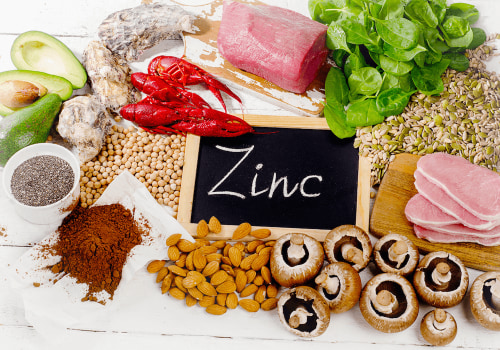
Vitamin A and Zinc
Vitamin A
, essential for vision and immune function, works synergistically with
zinc
. Zinc is crucial for the conversion of beta-carotene (a precursor to vitamin A) into its active form. This combination is particularly important for maintaining healthy skin and supporting immune responses.
Foods rich in both zinc (like nuts and seeds) and vitamin A (like carrots and sweet potatoes) should be included in your diet for optimal benefits.
Conclusion
Incorporating these synergistic vitamin combinations into your daily routine can maximize their health benefits. However, it’s essential to consult with a healthcare professional before starting any new supplementation regimen to ensure that you are meeting your individual health needs effectively.Potential Interactions with Medications and Foods
When considering the incorporation of vitamins into your daily routine, it is crucial to be aware of potential interactions with medications and foods. These interactions can significantly affect the efficacy of both vitamins and prescribed treatments, making it essential to approach supplementation with caution.Vitamin Interactions with Medications
Many vitamins can interact with various medications, altering their effectiveness or increasing the risk of side effects. For instance:-
Vitamin K : This vitamin plays a vital role in blood clotting and can interfere with anticoagulant medications such as warfarin.
Patients on these medications should maintain a consistent intake of Vitamin K to avoid fluctuations in blood clotting levels.
- Vitamin E : High doses of Vitamin E may increase the risk of bleeding when taken alongside blood thinners. It is advisable to consult a healthcare provider before combining these supplements.
- B Vitamins : Certain B vitamins, particularly B6 and B12, can interact with medications used for treating epilepsy and Parkinson's disease, potentially reducing their effectiveness.
Food Interactions with Vitamins
The timing and manner in which you consume vitamins can also be influenced by your diet. Some foods can enhance or inhibit the absorption of specific vitamins:- Fat-Soluble Vitamins : Vitamins A, D, E, and K are best absorbed when taken with dietary fats. Consuming these vitamins alongside healthy fats—such as avocados, nuts, or olive oil—can improve their bioavailability.
-
Calcium and Iron : Calcium can inhibit the absorption of iron when taken together.
If you are supplementing with both, consider taking them at different times of the day to maximize absorption.
- Caffeine : High caffeine intake may interfere with the absorption of certain B vitamins and Vitamin C. Moderation is key to ensuring optimal vitamin uptake.
Incorporating Vitamins into Your Daily Routine
Incorporating vitamins into your daily routine is essential for maximizing their benefits and ensuring that you receive the nutrients your body needs. Here are some practical strategies to help you establish a consistent vitamin intake habit.Establish a Routine
One of the most effective ways to remember to take your vitamins is to integrate them into your daily routine.Consider the following tips:
- Pair with Meals: Take your vitamins at the same time as a meal. For instance, if you have breakfast every morning, keep your vitamins next to your cereal or smoothie. This association will help you remember to take them.
- Use a Pill Organizer: A weekly pill organizer can simplify your vitamin regimen. Fill it at the beginning of each week, and you’ll have a visual reminder of what you need to take each day.
-
Set a Timer: Use your smartphone or a kitchen timer to set reminders for when to take your vitamins.
This can be particularly helpful if you tend to forget during busy mornings or evenings.
Create Visual Cues
Visual reminders can be powerful tools in establishing new habits. Here are some ideas:- Leave Them Out: Place your vitamins in a visible location, such as on the kitchen counter or next to your toothbrush. This way, they will catch your eye and prompt you to take them.
- Use Sticky Notes: Write reminders on sticky notes and place them in strategic locations, like on your fridge or bathroom mirror, where you’ll see them regularly.
Track Your Progress
Keeping track of your vitamin intake can motivate you to stay consistent. Consider these methods:-
Use an App: There are numerous apps available that allow you to log your vitamin intake and set reminders.
These apps can provide insights into your habits and help you stay accountable.
- Maintain a Journal: If you prefer a more traditional approach, keep a journal where you note down when you take your vitamins. This can help reinforce the habit and allow you to reflect on how you feel over time.
Specific Vitamins and Their Health Benefits
Understanding the specific health benefits of vitamins is crucial for anyone looking to enhance their well-being through supplementation. Each vitamin plays a unique role in maintaining bodily functions and promoting overall health.Below is a detailed list of essential vitamins and their corresponding health benefits.
- Vitamin A : This vitamin is vital for maintaining healthy vision, skin, and immune function. It also plays a significant role in cell growth and differentiation.
- Vitamin B1 (Thiamine) : Essential for energy metabolism, Vitamin B1 helps convert carbohydrates into energy and supports nerve function.
- Vitamin B2 (Riboflavin) : This vitamin aids in energy production and is important for skin health, eye health, and the metabolism of fats, drugs, and steroids.
- Vitamin B3 (Niacin) : Known for its role in improving cholesterol levels, Vitamin B3 also supports brain function and skin health.
- Vitamin B5 (Pantothenic Acid) : This vitamin is crucial for synthesizing coenzyme A, which is involved in fatty acid metabolism and the production of hormones.
- Vitamin B6 (Pyridoxine) : Important for protein metabolism, Vitamin B6 also supports cognitive development and immune function.
- Vitamin B7 (Biotin) : Often associated with hair and nail health, Biotin also plays a role in carbohydrate and fat metabolism.
- Vitamin B9 (Folate) : Essential for DNA synthesis and repair, Folate is particularly important during pregnancy for fetal development.
- Vitamin B12 (Cobalamin) : This vitamin is crucial for red blood cell formation and neurological function. It also helps prevent megaloblastic anemia.
- Vitamin C : Known for its antioxidant properties, Vitamin C boosts the immune system, aids in collagen production, and enhances iron absorption from plant-based foods.
- Vitamin D : Vital for calcium absorption, Vitamin D supports bone health and immune function. It can be synthesized by the body through sunlight exposure.
- Vitamin E : An important antioxidant, Vitamin E protects cells from oxidative stress and supports skin health and immune function.
- Vitamin K : Essential for blood clotting and bone metabolism, Vitamin K helps maintain strong bones by regulating calcium levels in the body.
Whether through diet or supplementation, understanding the specific benefits of each vitamin allows you to make informed choices that align with your health goals.
Addressing Common Health Concerns with Vitamins
Incorporating vitamins into your daily routine can significantly address various health concerns. Understanding which vitamins to take for specific issues can empower you to make informed choices that enhance your overall well-being. Below, we explore vitamins that are particularly beneficial for immune support, energy boosts, and skin health. Incorporating vitamins into your daily routine can significantly address various health concerns. Understanding which vitamins to take for specific issues can empower you to make informed choices that enhance your overall well-being. Below, we explore vitamins that are particularly beneficial for immune support, energy boosts, and skin health.Vitamins for Immune Support
A robust immune system is essential for warding off illnesses and maintaining overall health. Certain vitamins play a crucial role in enhancing immune function:-
Vitamin C: Known for its powerful antioxidant properties, Vitamin C helps stimulate the production of white blood cells, which are vital for fighting infections.
It is best consumed through fruits like oranges, strawberries, and kiwi or as a supplement.
- Vitamin D: Often referred to as the "sunshine vitamin," Vitamin D is essential for immune response. It can be obtained from sunlight exposure, fatty fish, and fortified foods. Supplementation may be necessary, especially in winter months or for those with limited sun exposure.
- Vitamin E: This vitamin acts as an antioxidant and helps combat oxidative stress in the body. Nuts, seeds, and green leafy vegetables are excellent sources of Vitamin E.
Vitamins for Energy Boost
If you often feel fatigued or sluggish, certain vitamins can help revitalize your energy levels:-
B Vitamins: The B-complex vitamins, including B1 (thiamine), B2 (riboflavin), B3 (niacin), B5 (pantothenic acid), B6 (pyridoxine), B7 (biotin), B9 (folate), and B12 (cobalamin), are crucial for converting food into energy.
They support metabolic processes and can be found in whole grains, meat, eggs, and dairy products.
- Coenzyme Q10: While not a vitamin per se, CoQ10 is a nutrient that plays a significant role in energy production within cells. It can be taken as a supplement to help boost energy levels.
Vitamins for Skin Health
Your skin reflects your overall health, and certain vitamins can help maintain its vitality:- Vitamin A: Essential for skin repair and maintenance, Vitamin A promotes cell turnover and helps keep skin smooth. Sources include carrots, sweet potatoes, and dark leafy greens.
- Vitamin C: In addition to its immune-boosting properties, Vitamin C is vital for collagen production, which keeps skin firm and youthful. Incorporate citrus fruits and bell peppers into your diet to enhance skin health.
-
Vitamin E: This vitamin helps protect the skin from oxidative damage caused by UV rays and pollution.
Nuts, seeds, and vegetable oils are rich in Vitamin E.
Conclusion: Optimizing Your Vitamin Intake for Better Health
In conclusion, optimizing your vitamin intake is a vital component of maintaining and enhancing your overall health. Throughout this article, we have explored the significance of timing, the forms of vitamins, and how to seamlessly incorporate them into your daily routine for maximum absorption and effectiveness. To recap, understanding when to take your vitamins can significantly influence their absorption rates. For instance, fat-soluble vitamins like Vitamin D and Vitamin E are best absorbed when taken with meals that contain healthy fats.Conversely, water-soluble vitamins such as Vitamin C and the B vitamins can be taken on an empty stomach for optimal absorption. This knowledge empowers you to make informed decisions about your supplementation. Consistency is another key factor in reaping the benefits of vitamins. Establishing a routine—whether it’s taking your vitamins with breakfast or setting a reminder for later in the day—can help ensure that you don’t miss doses. This regularity not only aids in absorption but also helps your body maintain steady levels of essential nutrients. Moreover, choosing high-quality supplements is crucial.
Not all vitamin formulations are created equal; some may contain fillers or be in forms that are less bioavailable. Always opt for reputable brands and consider discussing your choices with a healthcare professional to tailor your vitamin regimen to your specific needs. Incorporating vitamins into a healthy lifestyle goes beyond just taking supplements. It involves a holistic approach that includes a balanced diet rich in fruits, vegetables, whole grains, and lean proteins. These foods naturally provide many of the vitamins and minerals your body requires, complementing any supplementation you may undertake. Ultimately, by understanding the nuances of vitamin absorption and making informed choices about timing and quality, you can significantly enhance your health and well-being. Not all vitamin formulations are created equal; some may contain fillers or be in forms that are less bioavailable. Always opt for reputable brands and consider discussing your choices with a healthcare professional to tailor your vitamin regimen to your specific needs. Incorporating vitamins into a healthy lifestyle goes beyond just taking supplements. It involves a holistic approach that includes a balanced diet rich in fruits, vegetables, whole grains, and lean proteins. These foods naturally provide many of the vitamins and minerals your body requires, complementing any supplementation you may undertake. Ultimately, by understanding the nuances of vitamin absorption and making informed choices about timing and quality, you can significantly enhance your health and well-being.
Remember that while vitamins play an essential role in health maintenance, they should be part of a broader strategy that includes proper nutrition, regular exercise, and adequate hydration. As you embark on or continue your journey towards better health, keep these principles in mind to ensure that you are getting the most out of your vitamin intake.