The Essential Guide to Foods Rich in Folate for Heart Health
Discover essential foods rich in folate that support heart health and reduce the risk of cardiovascular disease.

Folate, also known as vitamin B9, is a water-soluble vitamin that plays a crucial role in numerous bodily functions, particularly in the realm of cardiovascular health. This essential nutrient is involved in DNA synthesis, repair, and methylation, which are vital processes for cell division and overall cellular health. However, its significance extends beyond cellular function; folate is particularly important for maintaining a healthy heart. By understanding the benefits of folate and its impact on heart health, individuals can make informed dietary choices that support their cardiovascular well-being, such as incorporating cherry juice for gout into their diet. One of the primary ways folate contributes to heart health is by regulating homocysteine levels in the blood. Folate, also known as vitamin B9, is a water-soluble vitamin that plays a crucial role in numerous bodily functions, particularly in the realm of cardiovascular health. This essential nutrient is involved in DNA synthesis, repair, and methylation, which are vital processes for cell division and overall cellular health. However, its significance extends beyond cellular function; folate is particularly important for maintaining a healthy heart. By understanding the benefits of folate and its impact on heart health, individuals can make informed dietary choices that support their cardiovascular well-being, such as incorporating cherry juice for gout into their diet. One of the primary ways folate contributes to heart health is by regulating homocysteine levels in the blood. , individuals can make informed dietary choices that support their cardiovascular well-being, such as incorporating cherry juice for gout into their diet. One of the primary ways folate contributes to heart health is by regulating homocysteine levels in the blood. Folate, also known as vitamin B9, is a water-soluble vitamin that plays a crucial role in numerous bodily functions, particularly in the realm of cardiovascular health. This essential nutrient is involved in DNA synthesis, repair, and methylation, which are vital processes for cell division and overall cellular health. However, its significance extends beyond cellular function; folate is particularly important for maintaining a healthy heart. By understanding the benefits of folate and its impact on heart health, individuals can make informed dietary choices that support their cardiovascular well-being, such as incorporating cherry juice for gout into their diet. One of the primary ways folate contributes to heart health is by regulating homocysteine levels in the blood.
Homocysteine is an amino acid that, when present in elevated amounts, can lead to damage of blood vessels and increase the risk of heart disease. Studies have shown that adequate folate intake can help lower homocysteine levels, thereby reducing the likelihood of cardiovascular complications. Furthermore, folate aids in the production of red blood cells, which are essential for transporting oxygen throughout the body. This oxygen delivery is critical for optimal heart function and overall health. Incorporating folate-rich foods into your diet not only supports heart health but also provides a range of other benefits. Homocysteine is an amino acid that, when present in elevated amounts, can lead to damage of blood vessels and increase the risk of heart disease. Studies have shown that adequate folate intake can help lower homocysteine levels, thereby reducing the likelihood of cardiovascular complications. Furthermore, folate aids in the production of red blood cells, which are essential for transporting oxygen throughout the body. This oxygen delivery is critical for optimal heart function and overall health. Incorporating folate-rich foods into your diet not only supports heart health but also provides a range of other benefits.
Folate is known to enhance mood and cognitive function, making it an important nutrient for mental well-being as well. As we delve deeper into this article, we will explore various foods that are abundant in folate and how they can be seamlessly integrated into your daily meals. By prioritizing folate as part of your nutritional strategy, you can take proactive steps toward safeguarding your heart and enhancing your overall health.
How Folate Supports Cardiovascular Function
Folate plays a pivotal role in maintaining cardiovascular function , primarily through its influence on homocysteine levels and red blood cell production. Understanding these mechanisms can shed light on how this essential vitamin contributes to heart health. One of the most significant ways folate supports cardiovascular health is by lowering homocysteine levels.Homocysteine is an amino acid produced during the metabolism of methionine, an essential amino acid found in many protein-rich foods. Elevated levels of homocysteine in the blood have been linked to an increased risk of heart disease, as they can damage the lining of blood vessels and promote the formation of blood clots. Folate, along with vitamins B6 and B12, is crucial for converting homocysteine into other beneficial substances, thereby reducing its concentration in the bloodstream. Research has shown that individuals with higher folate intake tend to have lower homocysteine levels, which correlates with a reduced risk of cardiovascular events such as heart attacks and strokes. This relationship underscores the importance of incorporating folate-rich foods into your diet as a preventive measure against heart disease. In addition to its role in managing homocysteine levels, folate is essential for the production of red blood cells.
Red blood cells are responsible for transporting oxygen throughout the body, including to the heart and other vital organs. Adequate oxygen supply is critical for optimal heart function, as it ensures that the heart muscle receives the energy it needs to pump effectively. A deficiency in folate can lead to anemia, characterized by a reduced number of red blood cells or insufficient hemoglobin, which can compromise oxygen delivery and overall cardiovascular health. Moreover, folate's involvement in DNA synthesis and repair further emphasizes its importance in maintaining healthy cells throughout the body, including those in the cardiovascular system. Healthy cell function is vital for repairing any damage that may occur within blood vessels, thus supporting overall vascular integrity. In summary, folate is a key nutrient that supports heart health by lowering homocysteine levels and promoting red blood cell production.
By ensuring adequate intake of folate through a balanced diet rich in leafy greens, legumes, and fortified foods, individuals can take proactive steps toward enhancing their cardiovascular function and reducing their risk of heart disease.
Top Foods Rich in Folate for a Healthy Heart
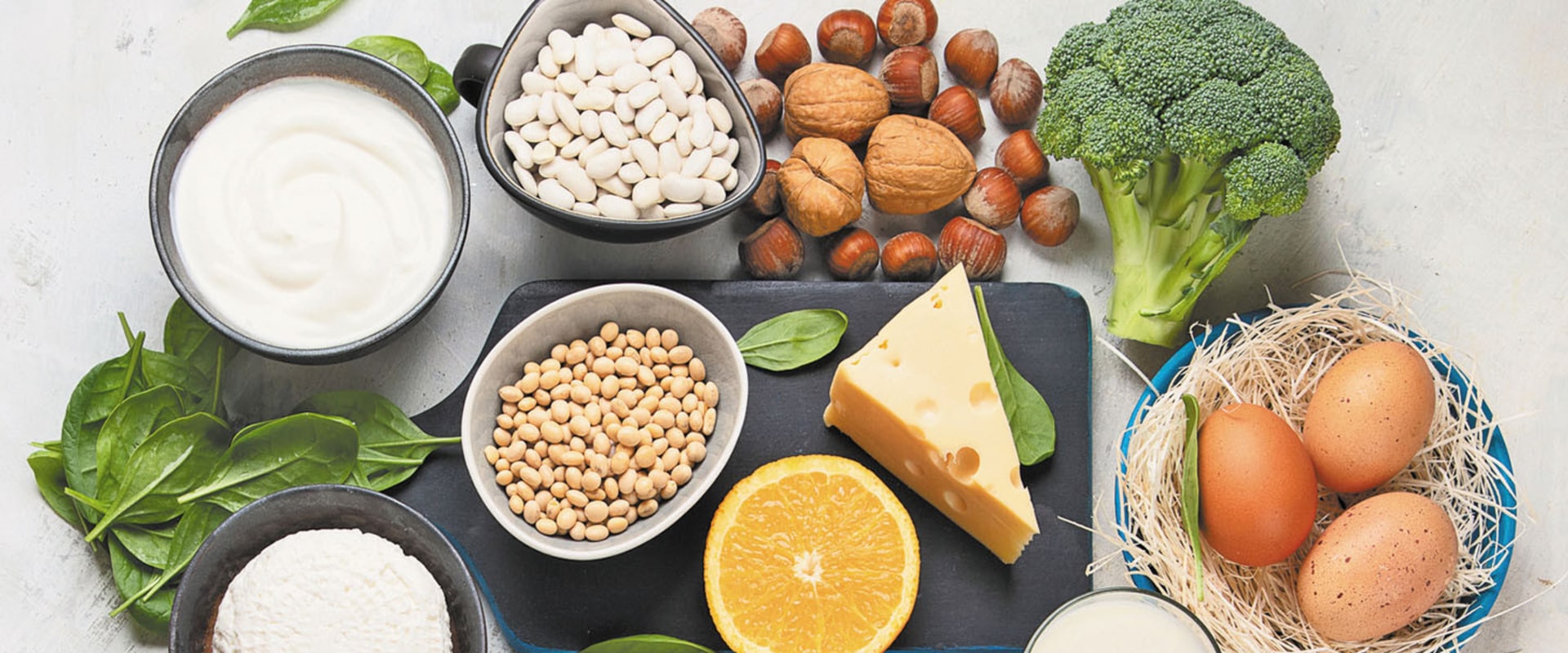
When it comes to maintaining a healthy heart, incorporating folate-rich foods into your diet is essential. Folate, or vitamin B9, is crucial for reducing homocysteine levels, which can damage blood vessels and increase the risk of heart disease. Here are some of the top foods that are high in folate and can contribute significantly to your heart health:-
Dark Leafy Greens: Vegetables like spinach, kale, and collard greens are among the richest sources of folate. A single cup of cooked spinach can provide over 200 micrograms of folate, which is more than half of the daily recommended intake.
These greens are also packed with antioxidants and vitamins that support overall cardiovascular health.
- Legumes: Beans, lentils, and chickpeas are not only high in folate but also offer a wealth of plant-based protein and fiber. For instance, one cup of cooked lentils contains about 358 micrograms of folate. The fiber in legumes helps lower cholesterol levels, making them a heart-healthy choice.
-
Avocados: This creamy fruit is not just a trendy addition to meals; it’s also a powerhouse of nutrients. Avocados provide around 60 micrograms of folate per fruit along with healthy monounsaturated fats that can help reduce bad cholesterol levels.
Their unique combination of nutrients makes them an excellent choice for heart health.
- Citrus Fruits: Oranges, grapefruits, and lemons are not only refreshing but also rich in folate. A medium orange contains about 40 micrograms of folate. These fruits are also high in vitamin C and other antioxidants that help protect the heart by reducing inflammation.
-
Nuts and Seeds: Nuts such as almonds and seeds like sunflower seeds are great sources of folate. A quarter-cup serving of sunflower seeds can provide about 82 micrograms of folate.
They also contain healthy fats and protein, making them a perfect snack for heart health.
Dark Leafy Greens: Nature's Folate Powerhouses
Dark leafy greens are often hailed as nutritional powerhouses , and for good reason. Among these, spinach and kale stand out as exceptional sources of folate, a vital nutrient that plays a significant role in maintaining heart health.These greens are not only rich in folate but also packed with other essential vitamins and minerals, making them a must-have in any heart-healthy diet.
Spinach
, for instance, is a versatile leafy green that can be easily incorporated into various dishes. A single cup of cooked spinach provides approximately 263 micrograms of folate, which is more than half of the recommended daily intake for adults. This leafy green is also rich in antioxidants, such as vitamin C and beta-carotene, which help combat oxidative stress and inflammation—two factors that can contribute to heart disease.
Kale
, another dark leafy green, is equally impressive. Known for its robust flavor and texture, kale offers about 180 micrograms of folate per cooked cup.
Additionally, it contains high levels of vitamin K, which is essential for blood clotting and maintaining healthy blood vessels. The fiber content in kale also aids in lowering cholesterol levels, further supporting cardiovascular health. Incorporating these greens into your meals can be both easy and delicious. Here are some ideas:
- Add fresh spinach to smoothies for a nutrient boost without altering the flavor.
- Use kale as a base for salads, mixing it with other vegetables and a light vinaigrette.
- Stir-fry spinach or kale with garlic and olive oil for a quick side dish.
- Blend cooked spinach into soups or sauces to enhance their nutritional profile.
By prioritizing dark leafy greens, you are taking a proactive step towards maintaining a healthy heart.
Legumes: A Plant-Based Source of Folate and Protein
Legumes, including beans, lentils, and peas, are not only a staple in many diets around the world but also serve as a powerhouse of nutrition, particularly for those seeking to enhance their heart health. These folate-rich legumes are packed with essential nutrients that contribute significantly to cardiovascular well-being. One of the standout features of legumes is their high folate content. Folate, or vitamin B9, is crucial for reducing homocysteine levels in the blood. Elevated homocysteine is linked to an increased risk of heart disease, making it vital to include folate-rich foods in your diet.A single cup of cooked lentils can provide approximately 90% of the daily recommended intake of folate, making them an excellent choice for heart health. In addition to folate, legumes are rich in plant-based protein. This is particularly beneficial for individuals looking to reduce their meat consumption while still obtaining adequate protein. The protein found in legumes helps maintain muscle mass and supports overall body function without the saturated fats often found in animal products. Moreover, legumes are an excellent source of dietary fiber. Fiber plays a crucial role in heart health by helping to lower cholesterol levels and regulate blood sugar.
A diet high in fiber can also promote a healthy weight, which is another important factor in maintaining cardiovascular health. For instance, black beans and chickpeas are not only delicious but also provide substantial amounts of fiber that can aid digestion and keep you feeling full longer. Incorporating legumes into your meals can be both easy and versatile. Here are some simple ways to enjoy these nutritious foods:
- Salads: Add cooked lentils or chickpeas to salads for a protein boost.
- Soups: Use beans as a base for hearty soups and stews.
- Wraps: Fill whole-grain wraps with black beans, avocado, and fresh vegetables.
- Dips: Blend chickpeas into hummus for a healthy snack option.
By incorporating a variety of legumes into your meals, you can enjoy their numerous health benefits while also savoring delicious flavors.
Citrus Fruits: Refreshing Sources of Folate
Citrus fruits are not only a delicious and refreshing addition to your diet, but they also serve as excellent sources of folate, an essential nutrient for maintaining heart health. Fruits like oranges, grapefruits, lemons, and limes are packed with vitamins and minerals that contribute to overall well-being, making them a smart choice for anyone looking to enhance their heart health. Among the various citrus fruits, oranges stand out as a particularly rich source of folate. A medium-sized orange contains approximately 40 micrograms of folate, which is about 10% of the daily recommended intake for adults. This makes oranges a convenient and tasty way to boost your folate levels while enjoying a sweet treat.Grapefruits
are another fantastic option, offering around 30 micrograms of folate per half fruit.
Not only do they provide folate, but they are also rich in vitamin C, which plays a crucial role in supporting the immune system and promoting healthy skin. The combination of folate and vitamin C in grapefruit can help reduce inflammation and support cardiovascular health. In addition to their folate content, citrus fruits are known for their high levels of antioxidants , particularly flavonoids. These compounds help combat oxidative stress in the body, which is linked to various heart diseases. By incorporating citrus fruits into your diet, you can benefit from their heart-healthy properties while enjoying their zesty flavors. Moreover, the fiber content in citrus fruits aids in lowering cholesterol levels and improving digestion.
A diet rich in fiber can help maintain healthy blood pressure levels and reduce the risk of heart disease. Therefore, adding citrus fruits to your meals or snacks can be an effective strategy for enhancing your overall heart health. To make the most of these nutritious fruits, consider incorporating them into your daily routine:
- Add slices of orange or grapefruit to your morning yogurt or oatmeal.
- Blend citrus fruits into smoothies for a refreshing drink packed with nutrients.
- Use lemon or lime juice as a dressing for salads or marinades to enhance flavor without added calories.
- Enjoy citrus fruits as a healthy snack on their own or mixed with other fruits.
Avocados: The Creamy Superfood Packed with Folate
Avocados are often celebrated as a superfood, and for good reason.Not only do they offer a creamy texture and rich flavor, but they are also a powerhouse of nutrients, particularly folate. This essential vitamin plays a significant role in maintaining heart health, making avocados an excellent addition to any heart-healthy diet. One of the standout benefits of avocados is their unique combination of healthy fats and folate. Unlike many other fruits, avocados are high in monounsaturated fats, which are known to help lower bad cholesterol levels (LDL) while raising good cholesterol levels (HDL). This balance is crucial for reducing the risk of heart disease.
Additionally, the folate content in avocados helps to lower homocysteine levels in the blood, an amino acid that, when elevated, can contribute to cardiovascular issues. Incorporating avocados into your meals is both easy and delicious. Here are some practical tips:
- Breakfast Boost: Add sliced avocado to your morning toast or blend it into a smoothie for a creamy texture and nutrient boost.
- Salad Enhancer: Toss diced avocado into salads for added creaminess and flavor. It pairs well with leafy greens and citrus dressings.
- Savory Dishes: Use avocado as a topping for tacos or grain bowls. Its rich flavor complements beans, grains, and spices beautifully.
-
Dips and Spreads: Make guacamole by mashing ripe avocados with lime juice, garlic, and cilantro.
This makes for a heart-healthy dip that’s perfect with whole-grain chips or fresh veggies.
Fortified Foods: An Easy Way to Boost Folate Intake
Incorporating folate into your diet can sometimes be challenging, especially for those with busy lifestyles or specific dietary restrictions.Fortunately, fortified foods offer a convenient solution to help boost your folate intake without requiring significant changes to your eating habits. These foods are enriched with essential vitamins and minerals, including folate, making them an excellent choice for anyone looking to enhance their heart health.
Fortified cereals
are among the most popular options available. Many breakfast cereals are fortified with folic acid, the synthetic form of folate, which is easily absorbed by the body. A single serving of fortified cereal can provide a substantial portion of the daily recommended intake of folate, making it an effortless way to start your day on a heart-healthy note.
When selecting cereals, look for those that contain at least 100% of the daily value for folate per serving. Additionally, choose whole grain options when possible to maximize fiber intake, which is also beneficial for heart health. Breads and pasta are other common fortified foods that can help you meet your folate needs. Many brands of bread, particularly white and whole grain varieties, are enriched with folic acid. This means that by simply enjoying a sandwich or toast, you can contribute to your daily folate intake.
Similarly, some pasta products are fortified as well, allowing you to enjoy your favorite dishes while supporting your cardiovascular health. For those who may struggle to consume enough folate from whole foods alone, incorporating these fortified options can be a game-changer. They provide an easy and effective way to ensure you are getting sufficient amounts of this vital nutrient. However, it’s important to remember that while fortified foods can help fill nutritional gaps, they should complement a balanced diet rich in natural sources of folate. In summary, fortified foods like cereals and breads serve as practical tools for increasing your folate intake. By choosing these enriched products, you can effortlessly support your heart health while enjoying a variety of meals and snacks.
Always check labels for added nutrients and aim for a diverse diet that includes both fortified and whole food sources of folate.
Incorporating Folate-Rich Foods into Your Daily Diet
Incorporating folate-rich foods into your daily diet can be both enjoyable and beneficial for your heart health. Here are some practical tips and meal ideas to help you boost your folate intake effortlessly.1.Start Your Day Right
- Breakfast Smoothies: Blend spinach or kale with your favorite fruits, such as bananas and berries, along with a scoop of yogurt or a plant-based milk. This not only provides a delicious start to your day but also packs a folate punch.
- Fortified Cereals: Choose whole grain cereals that are fortified with folate. Pair them with sliced bananas or strawberries for added nutrients and flavor.
2.Lunch Ideas
-
Salads: Create a vibrant salad using mixed greens, chickpeas, diced avocados, and cherry tomatoes.
Drizzle with olive oil and lemon juice for a refreshing dressing.
- Wraps: Use whole grain wraps filled with hummus, spinach, shredded carrots, and grilled chicken or tofu. This makes for a satisfying meal that is rich in folate.
3.Dinner Delights
- Stir-Fries: Incorporate broccoli, snap peas, and bell peppers into a stir-fry with quinoa or brown rice. Add tofu or lean meat for protein while keeping the dish colorful and nutritious.
- Lentil Soup: Prepare a hearty lentil soup with diced tomatoes, carrots, and celery. Lentils are an excellent source of folate and can be seasoned to your liking.
4.Snacks That Satisfy
- Guacamole: Enjoy guacamole made from ripe avocados with whole grain tortilla chips or fresh vegetable sticks.
- Nuts and Seeds: Snack on a mix of nuts and seeds, particularly sunflower seeds, which are also high in folate.
5.Meal Planning Tips
- Batch Cooking: Prepare large quantities of folate-rich foods like beans or lentils at the beginning of the week to easily incorporate them into meals.
- Diverse Ingredients: Experiment with different recipes that include various folate sources to keep your meals exciting and nutritious.
Remember that a balanced diet combined with regular physical activity is key to maintaining heart health.
<strong>Conclusion</strong>: The Role of Folate in Heart Health Maintenance
In summary, the significance of folate in maintaining heart health cannot be overstated. This essential vitamin, also known as vitamin B9, plays a pivotal role in various physiological processes that directly impact cardiovascular well-being. By lowering homocysteine levels, folate helps mitigate the risk of heart disease and stroke, making it a vital nutrient for anyone looking to enhance their heart health. Throughout this article, we have explored a variety of foods rich in folate, including dark leafy greens, legumes, and avocados. Each of these food groups not only provides a substantial amount of folate but also offers additional nutrients that contribute to overall heart health.For instance, the fiber found in legumes can help lower cholesterol levels, while the healthy fats in avocados support cardiovascular function. Moreover, it is essential to recognize that while folate is a crucial component of a heart-healthy diet, it should be part of a broader approach to wellness. A balanced diet that includes a variety of vitamins and minerals is fundamental for optimal health. Incorporating other vitamins such as vitamin D, omega-3 fatty acids, and antioxidants can further enhance cardiovascular protection. To recap, ensuring adequate folate intake through dietary sources is an effective strategy for promoting heart health. Regular consumption of folate-rich foods can lead to improved blood vessel function and reduced inflammation, both of which are critical for maintaining a healthy heart.
As you plan your meals, consider integrating these nutrient-dense foods into your diet to reap the benefits they offer. In conclusion, prioritizing vitamins like folate is essential for anyone aiming to maintain or improve their heart health. By making informed dietary choices and embracing a lifestyle that supports cardiovascular wellness, you can take significant steps toward safeguarding your heart for years to come.