Unlocking the Benefits of Vitamin C: A Deep Dive into Fruits and Vegetables
Discover the health benefits of vitamin C-rich fruits and vegetables. Boost your immune system and enhance your well-being with these nutritious foods.

Vitamin C, scientifically known as ascorbic acid, is a vital nutrient that plays a multifaceted role in maintaining our health. As a Vitamin C, scientifically known as ascorbic acid, is a vital nutrient that plays a multifaceted role in maintaining our health. As a water-soluble vitamin , it is not stored in the body, which means we must regularly consume it through our diet to meet our daily requirements. This essential nutrient is renowned for its powerful antioxidant properties , which help combat oxidative stress by neutralizing harmful free radicals. These free radicals can lead to cellular damage and contribute to various chronic diseases, including those associated with the varicella-zoster virus (vzv), making vitamin C an indispensable ally in our quest for optimal health. The benefits of vitamin C extend far beyond its antioxidant capabilities. , which help combat oxidative stress by neutralizing harmful free radicals. These free radicals can lead to cellular damage and contribute to various chronic diseases, including those associated with the varicella-zoster virus (vzv), making vitamin C an indispensable ally in our quest for optimal health. The benefits of vitamin C extend far beyond its antioxidant capabilities.
It is crucial for the synthesis of collagen, a protein that provides structure to our skin, bones, and connective tissues. This makes vitamin C not only important for physical health but also for maintaining a youthful appearance. Additionally, it enhances the absorption of iron from plant-based foods, which is particularly beneficial for individuals following vegetarian or vegan diets. By facilitating iron absorption, vitamin C helps prevent anemia and supports overall energy levels. Moreover, vitamin C plays a significant role in bolstering our immune system. It is crucial for the synthesis of collagen, a protein that provides structure to our skin, bones, and connective tissues. This makes vitamin C not only important for physical health but also for maintaining a youthful appearance. Additionally, it enhances the absorption of iron from plant-based foods, which is particularly beneficial for individuals following vegetarian or vegan diets. By facilitating iron absorption, vitamin C helps prevent anemia and supports overall energy levels. Moreover, vitamin C plays a significant role in bolstering our immune system.
It stimulates the production and function of white blood cells, which are essential for defending the body against infections and illnesses. During cold and flu season, ensuring adequate intake of this nutrient can be particularly beneficial in reducing the duration and severity of symptoms. The importance of vitamin C cannot be overstated; it is a cornerstone of a healthy diet that supports not only physical well-being but also enhances our body's resilience against various health challenges.
The Role of Vitamin C in Our Health
Vitamin C is not just a simple nutrient; it is a powerhouse that plays a multifaceted role in maintaining our health. Its significance extends beyond mere dietary necessity, impacting various bodily functions and systems.Understanding the health benefits of vitamin C can empower individuals to make informed dietary choices that enhance their overall well-being. One of the most celebrated roles of vitamin C is its contribution to a robust immune system. This vitamin is crucial for the proper functioning of white blood cells, which are essential for fighting off infections. Vitamin C enhances the production and function of these cells, making it easier for the body to combat pathogens. Studies have shown that individuals with adequate levels of vitamin C experience fewer colds and recover more quickly when they do fall ill.
This immune-boosting property is particularly vital during cold and flu seasons, where the body requires additional support to fend off illnesses. In addition to its immune-boosting capabilities, vitamin C plays a pivotal role in promoting skin health. It is a key player in collagen synthesis, a protein that provides structure to our skin, bones, and connective tissues. Collagen is essential for maintaining skin elasticity and firmness, which can diminish with age. By incorporating vitamin C-rich foods into your diet, you can support your skin's natural ability to repair itself and reduce the appearance of fine lines and wrinkles.
Furthermore, as an antioxidant, vitamin C helps protect the skin from damage caused by UV rays and environmental pollutants, contributing to a healthier complexion. Moreover, vitamin C's antioxidant properties extend its benefits beyond skin health. It helps neutralize free radicals—unstable molecules that can cause oxidative stress and lead to chronic diseases such as heart disease and cancer. By reducing oxidative stress, vitamin C may lower the risk of developing these conditions, making it an essential nutrient for long-term health. In summary, the role of vitamin C in our health is profound and far-reaching. From bolstering our immune defenses to enhancing skin vitality and protecting against chronic diseases, this vital nutrient should be a staple in our diets.
By prioritizing fruits and vegetables high in vitamin C, we can harness its numerous benefits and promote a healthier lifestyle.
Fruits Rich in Vitamin C: Nature's Powerhouses
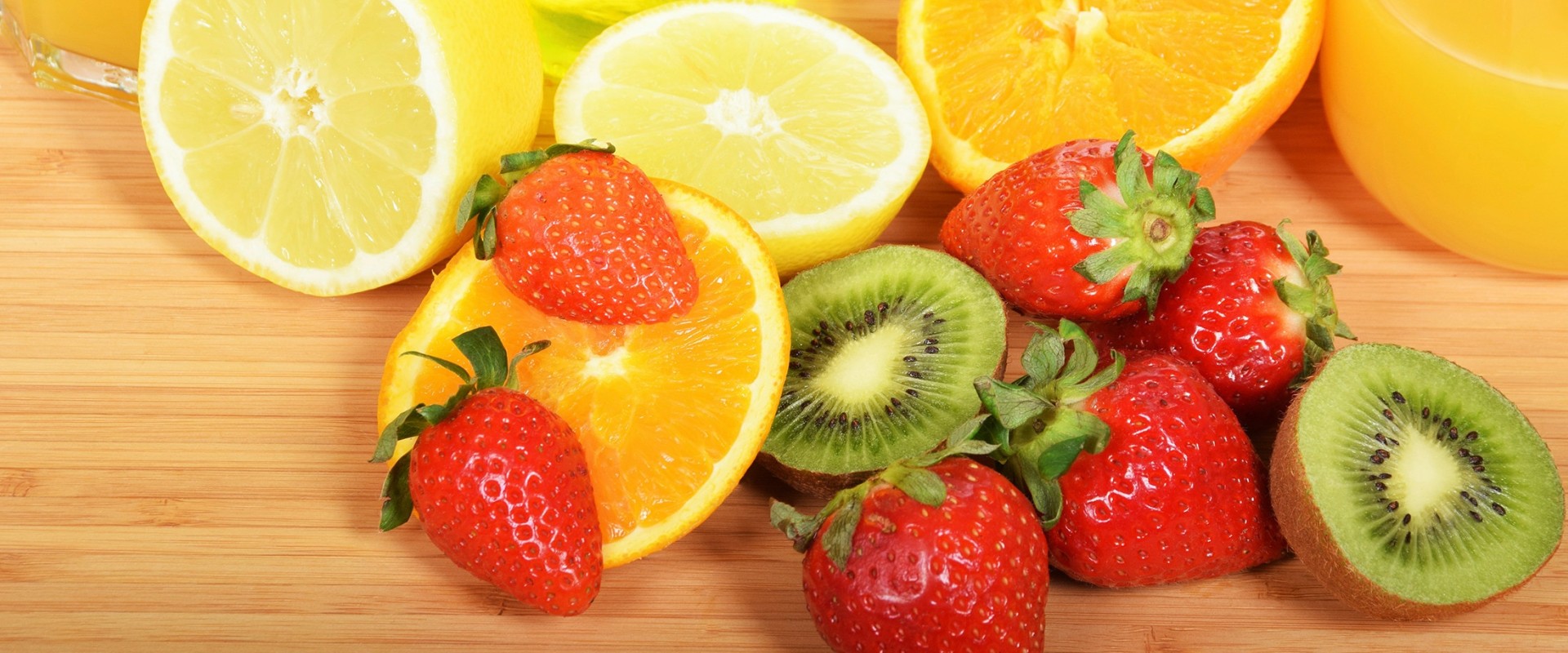
When it comes to fruits high in vitamin C , nature offers a vibrant array of options that not only tantalize the taste buds but also provide a wealth of health benefits. Incorporating these fruits into your daily diet can significantly enhance your vitamin C intake, supporting your immune system and overall well-being.Oranges
are perhaps the most recognized source of vitamin C. A medium-sized orange contains about 70 mg of this essential nutrient, making it an excellent choice for boosting your immune system. Oranges are also rich in fiber, which aids digestion and promotes heart health.
Enjoy them fresh, juiced, or as a zesty addition to salads.
Strawberries
are another delicious option, packing approximately 85 mg of vitamin C per cup. These berries are not only sweet and juicy but also loaded with antioxidants that combat oxidative stress. They can be enjoyed on their own, blended into smoothies, or added to yogurt for a nutritious snack.
Kiwis
are often overlooked but are a powerhouse of nutrients. One medium kiwi contains about 71 mg of vitamin C, along with significant amounts of vitamin K and dietary fiber.
Their unique flavor makes them a delightful addition to fruit salads or as a topping for oatmeal.
Papayas
are tropical fruits that offer around 88 mg of vitamin C per cup. They are also rich in digestive enzymes like papain, which can aid in digestion. Papayas can be enjoyed fresh, blended into smoothies, or used in salsas for a refreshing twist.
Other notable fruits high in vitamin C include:
- Guavas: With over 200 mg of vitamin C per fruit, guavas are among the richest sources available.
- Pineapples: A cup of pineapple provides about 79 mg of vitamin C and is also known for its anti-inflammatory properties.
- Mangoes: This tropical delight offers around 60 mg of vitamin C per cup and is packed with beta-carotene.
- Cantaloupes: A refreshing summer fruit that contains about 58 mg of vitamin C per cup.
By making these delicious fruits a regular part of your meals, you can easily boost your vitamin C intake and enjoy the myriad health benefits they offer.
Vegetables Packed with Vitamin C: A Colorful Array
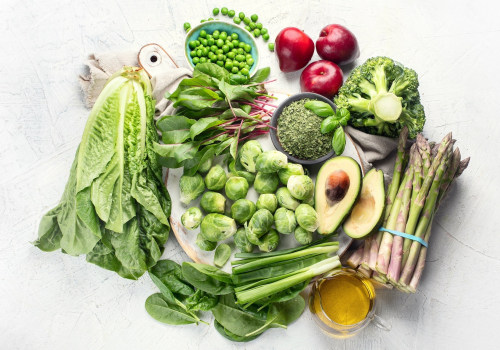
When it comes to vegetables high in vitamin C , a vibrant selection awaits you, each offering unique health benefits. Incorporating these colorful vegetables into your diet not only enhances your meals but also boosts your overall health.Bell Peppers
are among the richest sources of vitamin C, particularly the red variety, which contains nearly three times more vitamin C than an orange. This nutrient-dense vegetable is not only delicious but also packed with antioxidants that help combat oxidative stress in the body. Bell peppers can be enjoyed raw in salads, roasted for a smoky flavor, or sautéed with other vegetables to create a nutritious stir-fry.
Broccoli
is another powerhouse of vitamin C.
This cruciferous vegetable is not only high in vitamin C but also contains fiber, which aids in digestion and promotes gut health. To maximize its vitamin C content, consider steaming broccoli lightly rather than boiling it, as excessive heat can diminish its nutrient levels. Broccoli can be added to soups, salads, or served as a side dish with a drizzle of olive oil and lemon juice for added flavor.
Brussels Sprouts
are often overlooked but are an excellent source of vitamin C and other essential nutrients. These mini cabbages are rich in antioxidants and have anti-inflammatory properties that can support heart health.
Roasting Brussels sprouts brings out their natural sweetness; simply toss them with olive oil, salt, and pepper before placing them in the oven until they are crispy on the outside and tender on the inside. Other notable vitamin C-rich vegetables include kale, cauliflower, and spinach. Each of these greens offers a unique set of vitamins and minerals that contribute to overall well-being. For instance, kale is not only high in vitamin C but also provides calcium and iron, making it a fantastic addition to smoothies or salads. Incorporating these best vegetables for health into your meals can be both enjoyable and beneficial. Aim to include a variety of colors on your plate to ensure you receive a broad spectrum of nutrients.
Whether you choose to eat them raw, steamed, or roasted, these vegetables will help you meet your daily vitamin C needs while enhancing your culinary experience.
How to Maximize Your Vitamin C Intake
Maximizing your intake of vitamin C is essential for reaping its numerous health benefits. Here are some practical tips to help you increase your vitamin C consumption through your diet.Incorporate High-Vitamin-C Foods into Every Meal
One of the easiest ways to boost your vitamin C intake is by including high-vitamin-C foods in each meal. Here are some suggestions:- Breakfast: Start your day with a smoothie made from spinach, kiwi, and orange juice. You can also add strawberries or a handful of berries for an extra vitamin C kick.
-
Lunch: Prepare a salad featuring bell peppers, cherry tomatoes, and broccoli.
Drizzle with a lemon vinaigrette to enhance the flavor and nutrient absorption.
- Dinner: Include steamed Brussels sprouts or cauliflower as a side dish. Pair them with grilled chicken or fish for a balanced meal.
Choose Raw or Lightly Cooked Options
Cooking methods can significantly affect the vitamin C content in fruits and vegetables. To maximize retention, consider the following:- Raw Consumption: Eating fruits and vegetables raw preserves their vitamin C levels. Snack on raw bell pepper strips or enjoy a fresh fruit salad.
-
Steaming: If you prefer cooked vegetables, steaming is one of the best methods to retain nutrients.
Avoid boiling, as it can lead to significant nutrient loss.
- Sautéing: Quick sautéing with minimal water can also help maintain vitamin C levels. Use healthy oils like olive oil and add garlic for flavor.
Store Fruits and Vegetables Properly
The way you store your produce can impact its vitamin C content. Follow these tips to keep your fruits and vegetables fresh:- Avoid Sunlight: Store fruits and vegetables in a cool, dark place to prevent degradation of nutrients caused by light exposure.
- Refrigeration: Many high-vitamin-C foods, such as citrus fruits and leafy greens, benefit from refrigeration. Keep them in the crisper drawer for optimal freshness.
Remember that variety is key; the more diverse your diet, the better your chances of meeting your nutritional needs!
Vitamin C Deficiency: Signs and Solutions
Vitamin C deficiency can have significant repercussions on our health, leading to a range of symptoms that can affect our daily lives. One of the most well-known conditions associated with a lack of vitamin C is scurvy , a disease that was historically common among sailors who lacked access to fresh fruits and vegetables during long voyages. Understanding the signs of vitamin C deficiency is crucial for early intervention and prevention. Common symptoms of vitamin C deficiency include:- Fatigue: A lack of energy and persistent tiredness can be one of the first signs that your body is not getting enough vitamin C.
- Bleeding Gums: One of the hallmark symptoms of scurvy is swollen, bleeding gums, which can lead to tooth loss if not addressed.
- Joint Pain: Insufficient vitamin C can result in inflammation and pain in the joints, making movement uncomfortable.
- Skin Issues: Vitamin C is essential for collagen production; therefore, a deficiency may lead to dry skin, easy bruising, and slow wound healing.
- Anemia: Since vitamin C aids in iron absorption, a deficiency can contribute to anemia, characterized by fatigue and weakness.
-
Include Citrus Fruits: Oranges, grapefruits, lemons, and limes are excellent sources of vitamin C.
Start your day with a glass of fresh orange juice or add lemon to your water.
- Add Colorful Vegetables: Bell peppers, broccoli, Brussels sprouts, and kale are not only rich in vitamin C but also provide other essential nutrients. Aim to fill half your plate with vegetables at each meal.
- Snack on Berries: Strawberries, blueberries, and raspberries are delicious snacks that pack a vitamin C punch. Consider adding them to your breakfast cereal or yogurt.
- Consider Supplements: If you struggle to meet your daily vitamin C needs through food alone, consult with a healthcare provider about taking a vitamin C supplement.
Frequently Asked Questions About Vitamin C
Vitamin C is a vital nutrient that many people have questions about.Below, we address some of the most frequently asked questions regarding this essential vitamin.
What are the common questions about vitamin C?
Many individuals wonder about the role of vitamin C in their diet and its effects on health. Here are some common inquiries:- What foods are high in vitamin C? Citrus fruits like oranges, lemons, and grapefruits are well-known sources. However, other fruits such as strawberries, kiwi, and guava, along with vegetables like bell peppers, broccoli, and Brussels sprouts, also provide significant amounts of this nutrient.
- How much vitamin C do I need daily? The recommended daily allowance (RDA) for adults varies by age and gender but generally falls between 65 to 90 milligrams per day. Pregnant and breastfeeding women may require higher amounts.
-
Can I get enough vitamin C from my diet alone? Yes, most people can meet their vitamin C needs through a balanced diet rich in fruits and vegetables.
However, those with limited access to fresh produce or specific dietary restrictions may need to consider supplements.
Is too much vitamin C harmful?
While vitamin C is water-soluble and excess amounts are typically excreted through urine, consuming it in extremely high doses can lead to adverse effects. The tolerable upper intake level for adults is set at 2,000 milligrams per day. Exceeding this amount may result in:- Nausea
- Diarrhea
- Stomach cramps
- Increased risk of kidney stones
Can I take vitamin C supplements instead of getting it from food?
While supplements can help fill nutritional gaps, they should not replace whole foods. Fruits and vegetables provide a complex array of nutrients and fiber that supplements cannot replicate.Additionally, the body absorbs vitamins more effectively from food sources. Therefore, it’s best to prioritize a diet rich in natural sources of vitamin C. In summary, understanding the role of vitamin C in your diet can help you make informed choices about your health. By addressing these common questions, we hope to clarify any misconceptions and encourage a balanced approach to nutrition.
Conclusion: Embracing the Power of Vitamin C-Rich Foods
In conclusion, the significance of incorporating fruits and vegetables rich in vitamin C into our daily diets cannot be overstated. As we have explored throughout this article, vitamin C is not just a simple nutrient; it is a powerhouse that supports various aspects of our health.From enhancing our immune system to promoting healthy skin and aiding in iron absorption, the benefits of this essential vitamin are vast and impactful. By embracing a diet abundant in vitamin C-rich foods, we can take proactive steps towards improving our overall well-being. The vibrant colors and diverse flavors of fruits and vegetables such as oranges, strawberries, bell peppers, and broccoli not only make our meals more enjoyable but also provide us with the nutrients necessary for optimal health. Moreover, the antioxidant properties of vitamin C play a crucial role in protecting our bodies from oxidative stress and chronic diseases. By regularly consuming these nutrient-dense foods, we can significantly reduce our risk of conditions such as heart disease, cancer, and arthritis. As you consider your dietary choices moving forward, remember that small changes can lead to significant health improvements. Here are some practical tips to help you incorporate more vitamin C-rich foods into your meals:
- Add citrus fruits to your breakfast: Start your day with a refreshing glass of orange juice or add slices of grapefruit to your morning yogurt.
- Snack on raw vegetables : Keep cut-up bell peppers, cherry tomatoes, or broccoli florets handy for a quick and nutritious snack.
- Experiment with salads : Create colorful salads featuring spinach, kale, and a variety of fruits like strawberries or kiwi for a delicious boost of vitamin C.
- Incorporate smoothies : Blend together your favorite fruits and leafy greens for a nutrient-packed smoothie that’s both tasty and energizing.
By prioritizing these foods in our diets, we not only nourish our bodies but also empower ourselves to live vibrant and fulfilling lives. So next time you’re at the grocery store or farmer's market, remember the incredible power of vitamin C-rich foods and make them a staple in your kitchen!.