Zinc for Immune Health: Boost Your Body's Defenses with Essential Vitamins
Discover how zinc enhances immune health, supports healing, and its key role in vitamins for overall well-being.

Zinc is often overlooked in discussions about vitamins for immune health, yet it plays a pivotal role in maintaining and enhancing our body's defenses. This essential mineral is not just another nutrient; it is a powerhouse that supports various biological functions critical to our immune system. From promoting the development of immune cells to facilitating the communication between these cells, zinc is integral to our body's ability to fend off infections and diseases, highlighting how women’s health vitamins work effectively when they include this vital mineral alongside Probiotic Foods for Gut Health The Ultimate. One of the most significant benefits of zinc is its ability to modulate the immune response. It helps in the production and activation of T-cells, which are crucial for identifying and attacking pathogens. Zinc is often overlooked in discussions about vitamins for immune health, yet it plays a pivotal role in maintaining and enhancing our body's defenses. This essential mineral is not just another nutrient; it is a powerhouse that supports various biological functions critical to our immune system. From promoting the development of immune cells to facilitating the communication between these cells, zinc is integral to our body's ability to fend off infections and diseases, highlighting how women’s health vitamins work effectively when they include this vital mineral alongside Probiotic Foods for Gut Health The Ultimate. One of the most significant benefits of zinc is its ability to modulate the immune response. It helps in the production and activation of T-cells, which are crucial for identifying and attacking pathogens.
Furthermore, zinc acts as an antioxidant, protecting cells from oxidative stress caused by free radicals. This dual action not only strengthens the immune system but also contributes to overall health by reducing inflammation and promoting healing. Incorporating zinc into your diet can be a game-changer for those looking to bolster their immune health. Foods rich in zinc, such as oysters, red meat, poultry, beans, nuts, and whole grains, can provide the necessary amounts to support your body's needs. However, many people may not consume enough of these foods regularly, leading to potential deficiencies that can compromise immune function. As we delve deeper into the benefits of zinc for immune health throughout this article, we will explore how it interacts with other vitamins and minerals that are essential for a robust immune system.
Understanding the synergy between zinc and other nutrients will empower you to make informed dietary choices that enhance your overall well-being.
The Science Behind Zinc and Immunity
Zinc is a vital trace mineral that plays a significant role in the functioning of the immune system. Understanding how zinc boosts immunity involves exploring its various mechanisms and the scientific studies that support these claims. One of the primary ways zinc enhances immune function is through its involvement in the production and activation of immune cells. Zinc is crucial for the development of T-cells , a type of white blood cell that plays a central role in the adaptive immune response. These cells are responsible for identifying and attacking pathogens, such as viruses and bacteria.Research has shown that zinc deficiency can lead to a reduced number of T-cells, impairing the body’s ability to mount an effective immune response. Moreover, zinc is essential for the proliferation of B-cells , which produce antibodies that neutralize pathogens. A study published in the journal Nature Reviews Immunology highlighted that adequate zinc levels are necessary for optimal B-cell function, ensuring that the body can produce sufficient antibodies to fight infections. In addition to its role in cell production, zinc also exhibits powerful antioxidant properties. It helps protect cells from oxidative stress caused by free radicals, which can damage cellular structures and lead to inflammation. By mitigating oxidative damage, zinc supports overall immune health and reduces the risk of chronic diseases associated with inflammation. Scientific studies have further demonstrated zinc's effectiveness in enhancing immune responses.
For instance, a meta-analysis published in The American Journal of Clinical Nutrition found that zinc supplementation significantly reduced the duration and severity of respiratory infections in older adults. This suggests that maintaining adequate zinc levels can be particularly beneficial for vulnerable populations. Furthermore, research has indicated that zinc may influence the production of cytokines, which are signaling molecules that mediate and regulate immunity and inflammation. Proper cytokine balance is crucial for an effective immune response; too much or too little can lead to complications such as autoimmune diseases or chronic inflammation. In summary, the science behind zinc's role in immunity is multifaceted. From promoting the development of key immune cells to providing antioxidant protection and regulating cytokine production, zinc is an indispensable mineral for maintaining a robust immune system.
Ensuring adequate intake through diet or supplementation can help bolster your body's defenses against infections and diseases.
Key Benefits of Zinc for Immune Health
Zinc is a vital mineral that offers numerous benefits for immune health, making it an essential component of a well-rounded diet. Its role in enhancing the immune system is particularly significant, especially when it comes to combating common colds and infections.1.Strengthening Immune Response
Zinc plays a crucial role in the development and function of immune cells. It is involved in the production of white blood cells, which are essential for fighting off pathogens. A deficiency in zinc can lead to a weakened immune response, making the body more susceptible to infections.
2.Efficacy Against Colds
Research has shown that zinc can be effective in reducing the duration and severity of cold symptoms.
When taken within 24 hours of the onset of symptoms, zinc lozenges or supplements can help shorten the length of a cold by up to 33%. This is attributed to zinc's ability to inhibit the replication of rhinoviruses, which are responsible for most common colds.
3.Reducing Inflammation
In addition to its immune-boosting properties, zinc also has anti-inflammatory effects. It helps regulate the production of cytokines, which are proteins that mediate inflammation in the body. By controlling inflammation, zinc can help alleviate symptoms associated with various inflammatory conditions, including respiratory infections.
4.Supporting Wound Healing
Zinc is essential for wound healing due to its role in cell division and protein synthesis.
A healthy immune system is crucial for effective wound healing, as it helps prevent infections that can complicate recovery. Adequate zinc levels ensure that the body can respond effectively to injuries and promote faster healing.
5.Enhancing Antioxidant Defense
Zinc also contributes to antioxidant defense mechanisms in the body. It helps protect cells from oxidative stress caused by free radicals, which can damage cells and lead to chronic diseases. By supporting antioxidant activity, zinc aids in maintaining overall health and resilience against infections.
Incorporating zinc-rich foods such as oysters, beef, pumpkin seeds, and legumes into your diet can significantly enhance your immune health.
For those who may struggle to meet their daily zinc requirements through food alone, supplements may be a beneficial option after consulting with a healthcare provider.
Food Sources Rich in Zinc
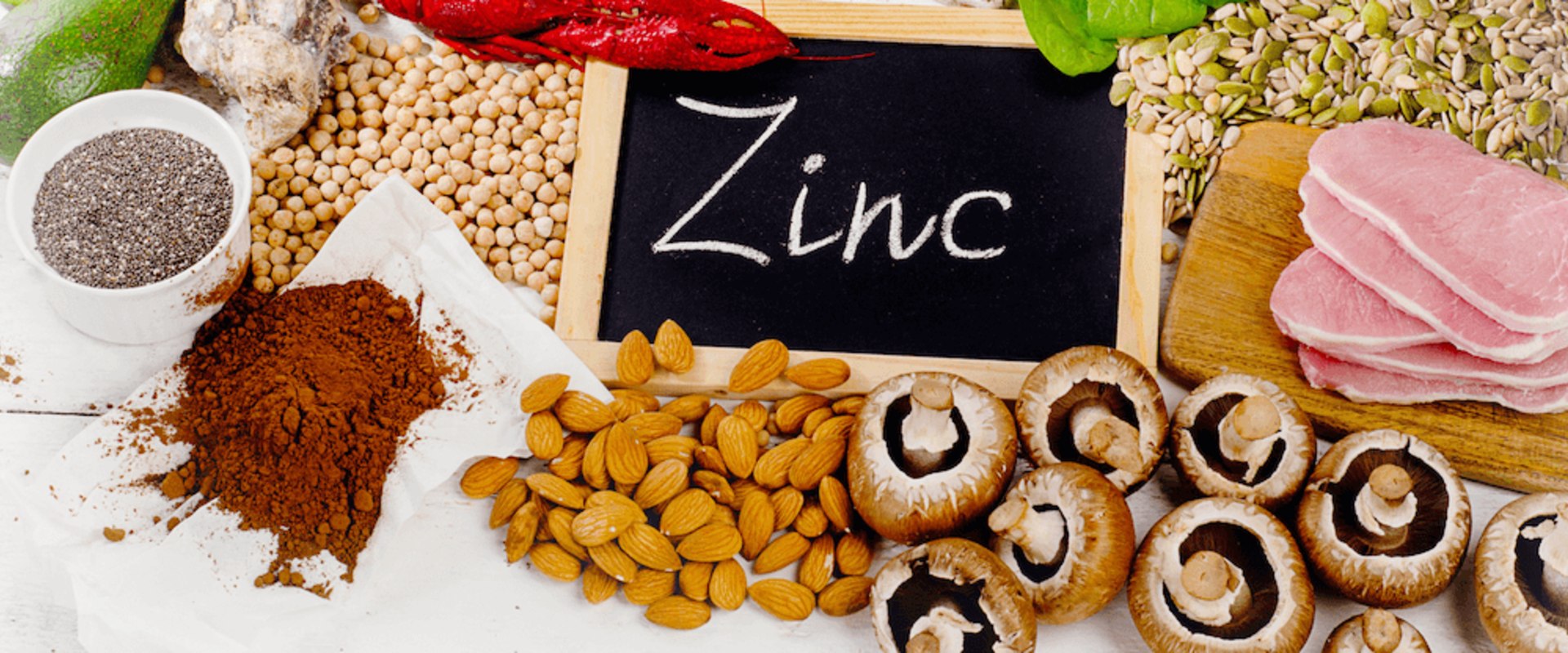
Incorporating zinc-rich foods into your diet is essential for maintaining a robust immune system. Zinc is found in a variety of foods, and understanding which ones are the best sources can help you optimize your intake. Here’s a detailed look at some of the top dietary sources of zinc that you can easily include in your meals.- Oysters: Oysters are among the richest sources of zinc, providing more than 100% of the daily recommended intake in just a single serving. They are not only delicious but also packed with other essential nutrients.
-
Red Meat: Beef and lamb are excellent sources of zinc.
A 3-ounce serving of beef can provide about 7 mg of zinc, making it a great option for those looking to boost their intake.
- Poultry: Chicken and turkey also contain significant amounts of zinc. Dark meat, in particular, has higher levels compared to white meat, so consider opting for thighs or drumsticks.
- Nuts and Seeds: Nuts such as cashews and almonds, as well as seeds like pumpkin and sunflower seeds, are great plant-based sources of zinc. They make for healthy snacks or can be added to salads and smoothies.
- Legumes: Beans, lentils, and chickpeas are not only rich in protein but also provide a good amount of zinc. Incorporating these into soups, stews, or salads can enhance your zinc intake.
-
Dairy Products: Milk, cheese, and yogurt are good sources of zinc.
They also offer calcium and protein, making them a nutritious addition to your diet.
- Whole Grains: Whole grains like quinoa, brown rice, and oats contain zinc as well. While they may not be as concentrated as animal sources, they contribute to your overall intake when consumed regularly.
- Add nuts or seeds to your breakfast cereal or yogurt for an extra crunch and nutritional boost.
- Include legumes in your meals by making hearty soups or salads that feature beans or lentils.
- Opt for red meat a few times a week while balancing it with poultry and plant-based proteins.
- Experiment with seafood by trying different recipes that include oysters or other shellfish.
Zinc Supplements: When and How to Use Them
When considering zinc supplements, it’s essential to understand the various forms available and when they might be necessary. Zinc can be found in several supplement forms, including:- Zinc gluconate: This is one of the most common forms used in supplements and is well-absorbed by the body.
- Zinc citrate: Known for its high bioavailability, zinc citrate is often recommended for those who may have digestive issues.
- Zinc picolinate: This form is believed to be more easily absorbed than other types, making it a popular choice among supplement users.
- Zinc acetate: Often used in lozenges, zinc acetate can help reduce the duration of cold symptoms.
- Zinc oxide: While commonly found in topical ointments, it is less effective when taken orally due to lower absorption rates.
If you find it challenging to consume enough zinc-rich foods—such as oysters, red meat, poultry, beans, nuts, and whole grains—you may benefit from supplementation. Additionally, certain groups of people, including vegetarians, pregnant women, and individuals with gastrointestinal diseases, may require higher amounts of zinc. When taking zinc supplements, it’s crucial to follow recommended dosages to avoid potential side effects. The general guidelines for daily zinc intake are:
- Men: 11 mg
- Women: 8 mg
- Pregnant women: 11 mg
- Lactating women: 12 mg
This can enhance absorption and reduce gastrointestinal discomfort. Before starting any new supplement regimen, including zinc, consulting with a healthcare provider is essential. They can help determine the appropriate dosage based on your individual health needs and dietary habits. By understanding when and how to use zinc supplements effectively, you can support your immune health while minimizing potential risks.
Zinc Deficiency: Symptoms and Risks
Zinc deficiency is a significant health concern that can lead to a variety of symptoms and complications. Understanding the signs of low zinc levels is crucial for maintaining overall health and well-being.Symptoms of Zinc Deficiency
When the body lacks adequate zinc, several symptoms may manifest, indicating a deficiency.Some common signs include:
- Weakened Immune Function: Frequent infections or illnesses can be a clear indicator of low zinc levels, as this mineral is vital for immune system support.
- Delayed Wound Healing: Zinc plays a crucial role in tissue repair. A deficiency may result in slower healing of cuts and wounds.
- Hair Loss: Insufficient zinc can lead to hair thinning or loss, as it is essential for hair follicle health.
- Skin Issues: Conditions such as acne, eczema, or dermatitis may arise due to low zinc levels, affecting skin integrity and appearance.
- Loss of Appetite: A decrease in appetite or changes in taste perception can also signal a deficiency.
- Fatigue and Weakness: Chronic fatigue or general weakness may occur, impacting daily activities and quality of life.
Risks Associated with Low Zinc Levels
The risks of zinc deficiency extend beyond immediate symptoms. Long-term low levels can lead to serious health issues, including:- Increased Susceptibility to Infections: A weakened immune system makes individuals more vulnerable to infections, which can lead to prolonged illness.
- Growth Delays in Children: Zinc is essential for growth and development; deficiencies can hinder physical and cognitive development in children.
- Reproductive Health Issues: Low zinc levels can affect fertility in both men and women, impacting reproductive health.
- Mental Health Concerns: There is evidence suggesting that zinc deficiency may contribute to mood disorders such as depression and anxiety.
How to Know If You Need More Zinc
If you suspect you might be experiencing symptoms of zinc deficiency, it’s important to consult with a healthcare professional. They may recommend blood tests to assess your zinc levels.Additionally, consider the following factors that could increase your risk of deficiency:
- Poor Dietary Intake: Individuals with limited diets or those who avoid animal products may not get enough zinc from food sources.
- Certain Medical Conditions: Conditions like gastrointestinal diseases or chronic illnesses can impair zinc absorption.
- Aging: Older adults are at higher risk due to decreased dietary intake and absorption issues.
Combining Zinc with Other Vitamins for Optimal Immune Support
While zinc is a powerhouse mineral for immune health, its benefits can be significantly enhanced when combined with other essential vitamins. This synergy not only boosts the immune response but also promotes overall health and well-being. One of the most notable combinations is zinc and vitamin C, both of which play critical roles in supporting the immune system.The Role of Vitamin C in Immune Function
Vitamin C is renowned for its antioxidant properties, which help protect cells from damage caused by free radicals.This vitamin is crucial for the growth and repair of tissues in the body and is involved in various bodily functions, including:
- Collagen synthesis: Vitamin C is essential for producing collagen, a protein that helps maintain skin integrity and wound healing.
- White blood cell function: It enhances the production and function of white blood cells, which are vital for fighting infections.
- Antioxidant defense: By neutralizing free radicals, vitamin C helps reduce inflammation and supports overall immune health.
Synergistic Effects of Zinc and Vitamin C
When zinc and vitamin C are taken together, they can create a powerful effect on the immune system. Research has shown that:- The combination can reduce the duration and severity of colds.
- Zinc enhances the absorption of vitamin C in the body, making it more effective.
- Together, they promote the production of antibodies, which are crucial for identifying and neutralizing pathogens.
Other Vitamins That Support Immune Health
In addition to zinc and vitamin C, several other vitamins work synergistically to enhance immune function:- Vitamin D: Known as the "sunshine vitamin," it plays a crucial role in modulating the immune response and reducing inflammation.
- Vitamin A: Essential for maintaining healthy mucosal surfaces in the respiratory tract, which act as barriers against pathogens.
- B Vitamins: These vitamins support energy production and help maintain a healthy nervous system, which is vital for overall immune function.
FAQs About Zinc and Immune Health
As interest in zinc for immune health continues to grow, many people have questions about its use, dietary sources, and potential risks.Here are some frequently asked questions that can help clarify these important topics.
Is too much zinc harmful?
While zinc is essential for maintaining a healthy immune system, it is crucial to consume it in appropriate amounts. Excessive intake of zinc can lead to toxicity, resulting in symptoms such as nausea, vomiting, loss of appetite, stomach cramps, diarrhea, and headaches. Long-term overconsumption may also interfere with the absorption of other essential minerals like copper and iron. The tolerable upper intake level (UL) for zinc is set at 40 mg per day for adults. It is important to note that this limit includes both dietary sources and supplements.Therefore, if you are considering taking zinc supplements, it is advisable to consult with a healthcare professional to determine the right dosage for your individual needs.
Can I get enough zinc from food?
Yes, it is entirely possible to meet your daily zinc requirements through a well-balanced diet. Foods rich in zinc include:- Oysters: One of the best sources of zinc, providing significantly more than the daily requirement in just a few servings.
- Red meat: Beef and lamb are excellent sources of zinc.
- Poultry: Chicken and turkey also contribute to your daily intake.
- Nuts and seeds: Pumpkin seeds, cashews, and almonds are great plant-based options.
- Legumes: Chickpeas, lentils, and beans contain moderate amounts of zinc.
- Dairy products: Milk and cheese provide a good source of zinc as well.
Conclusion: Strengthening Your Immune System with Zinc
In summary, zinc is a vital mineral that plays an indispensable role in fortifying our immune system and enhancing overall health.Throughout this article, we have explored the multifaceted benefits of zinc, particularly its ability to bolster immune function, promote wound healing, and address specific health concerns.
Understanding the Importance of Zinc
Zinc is not just another nutrient; it is a cornerstone of our body's defense mechanisms. It aids in the production and activation of T-cells, which are crucial for identifying and eliminating pathogens. Furthermore, zinc's antioxidant properties help protect our cells from oxidative stress, thereby reducing inflammation and supporting a balanced immune response.
Incorporating Zinc into Your Daily Routine
To harness the full potential of zinc, it is essential to incorporate it into your daily diet. As discussed, foods such as oysters, red meat, poultry, beans, nuts, and whole grains are excellent sources of this mineral.
For those who may struggle to meet their zinc needs through diet alone, supplements can serve as a practical alternative. However, it is crucial to consult with a healthcare provider before starting any supplementation to ensure safety and efficacy.
Monitoring Your Zinc Levels
Maintaining optimal zinc levels is vital for sustaining immune health. Regularly monitoring your intake can help prevent deficiencies that may compromise your immune system. Symptoms of zinc deficiency can include weakened immunity, hair loss, and delayed wound healing.
If you suspect you may be deficient in zinc, consider discussing this with your healthcare professional.
Final Thoughts
In conclusion, prioritizing zinc in your diet is a proactive step towards strengthening your immune system. By understanding its significance and ensuring adequate intake through food or supplements, you can enhance your body's defenses against illness and promote overall well-being. Remember that a balanced diet rich in various nutrients is key to maintaining optimal health.